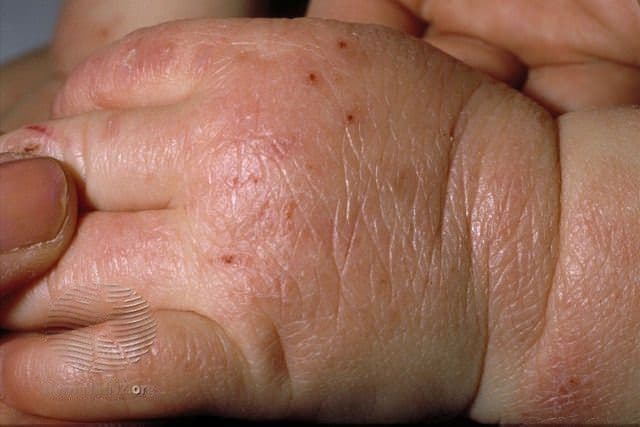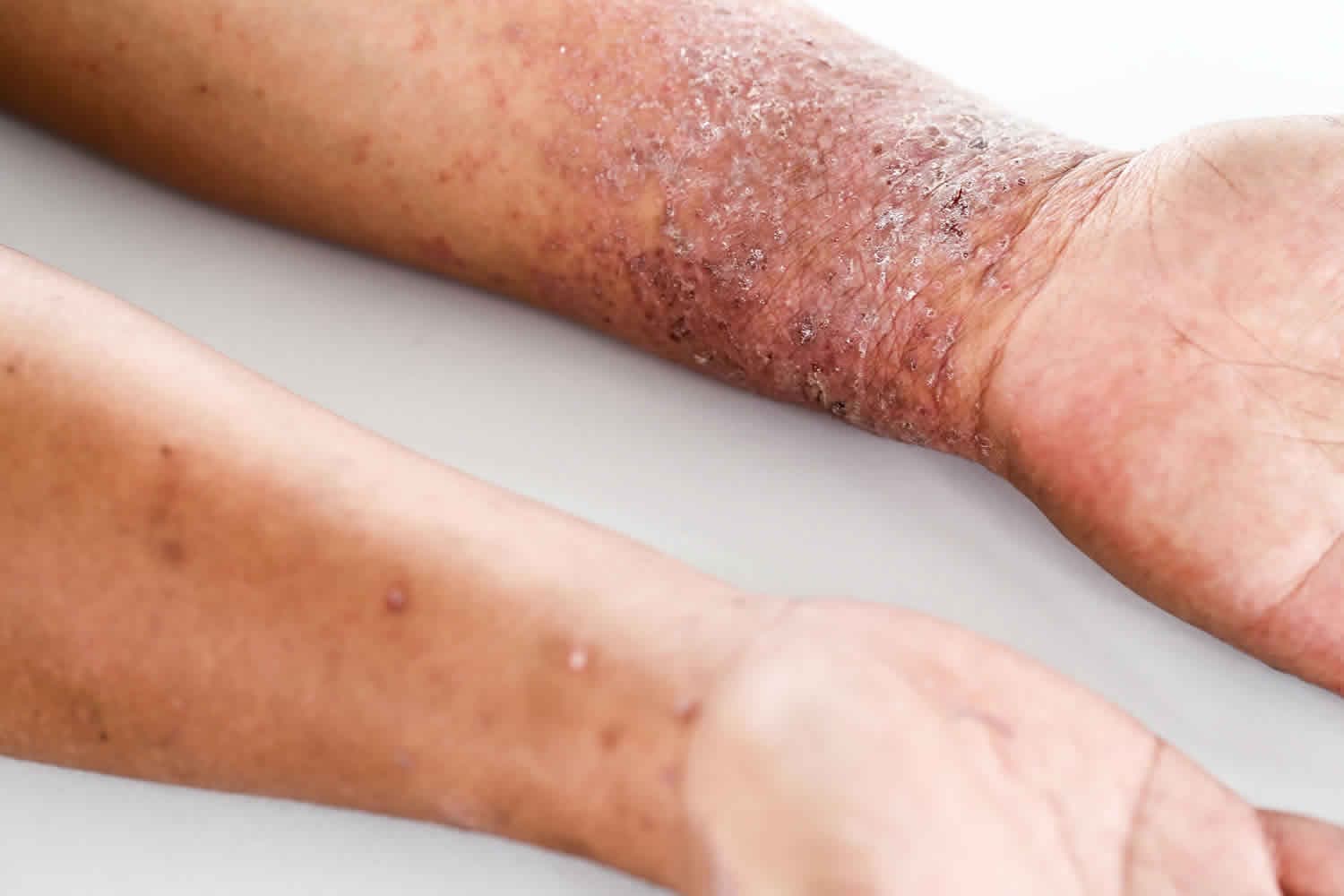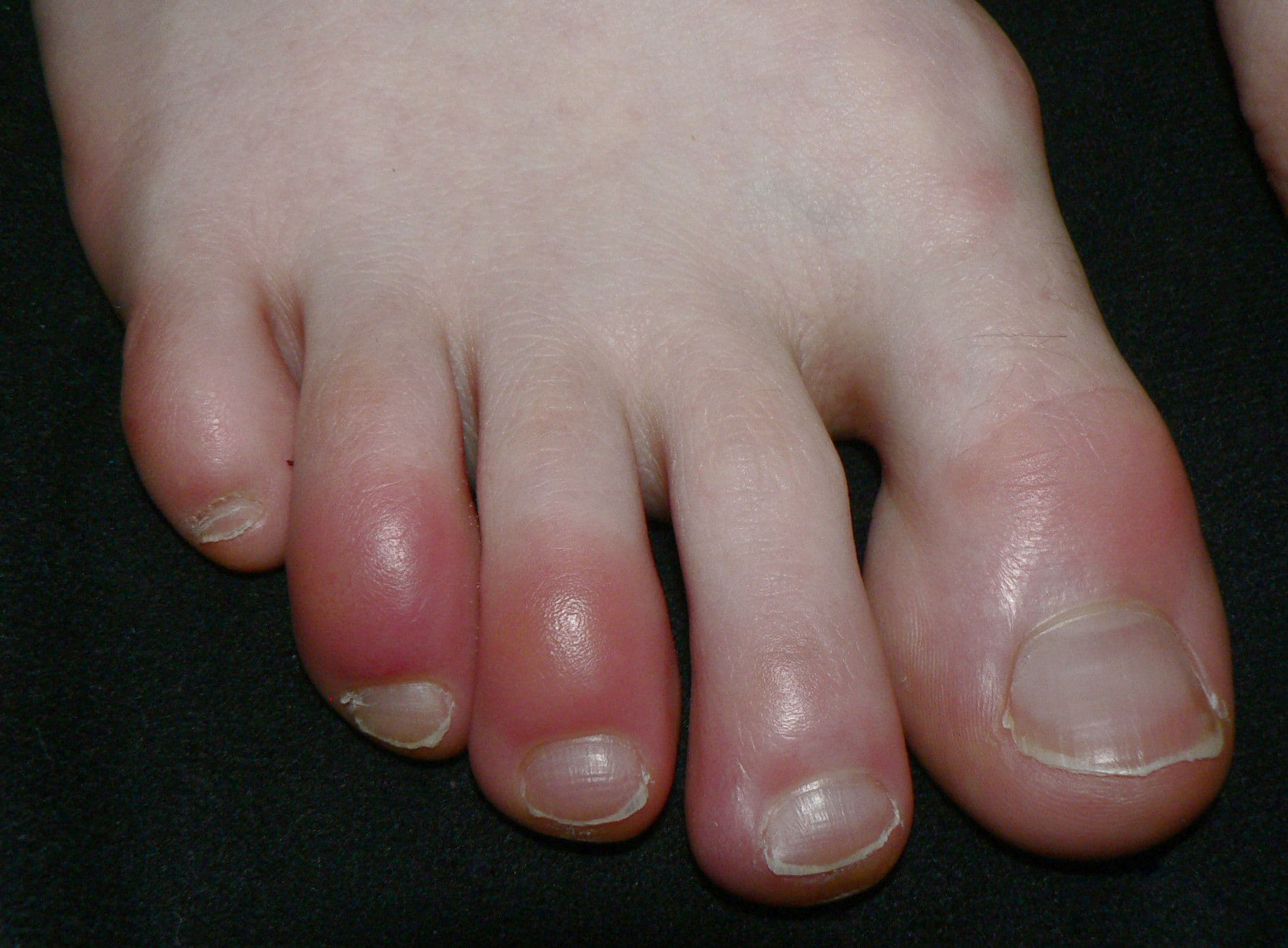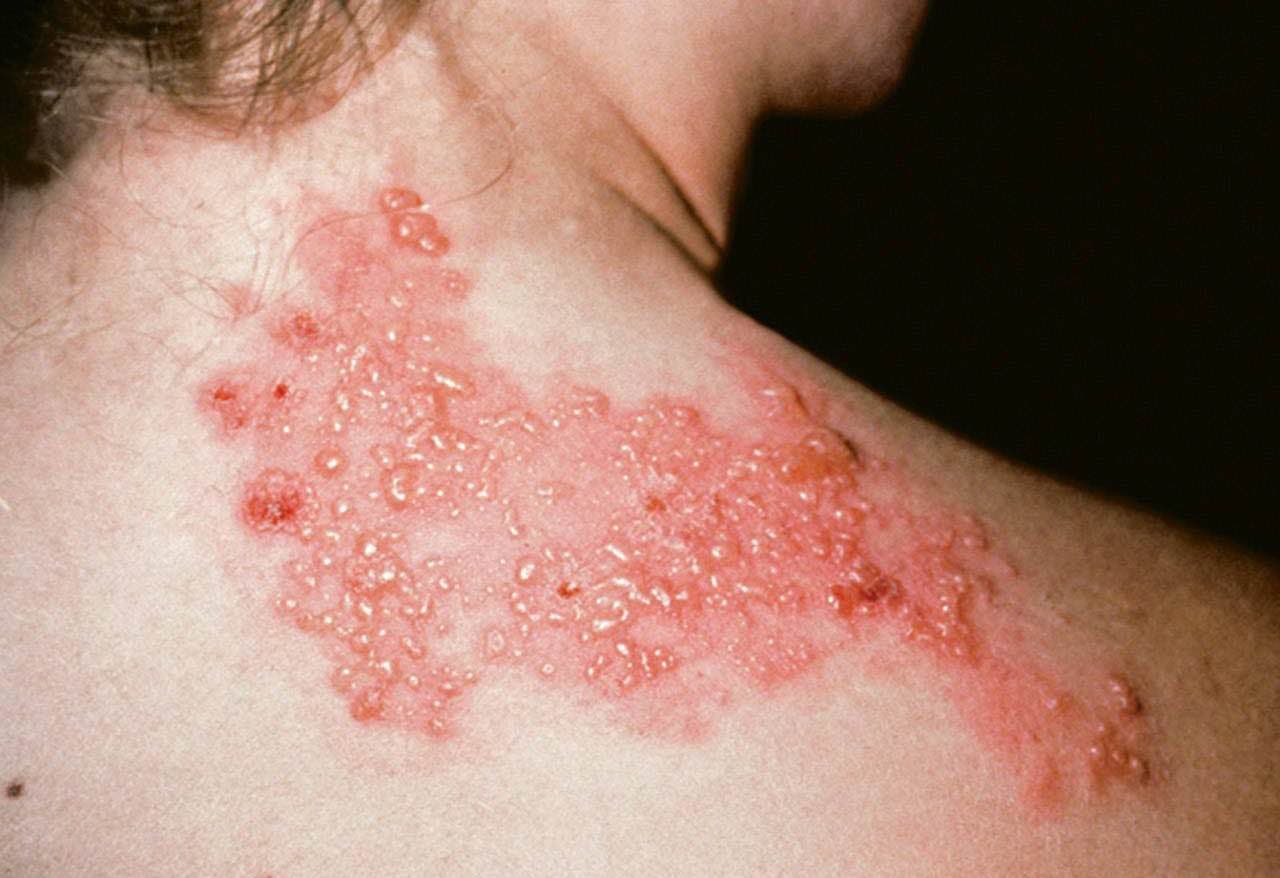
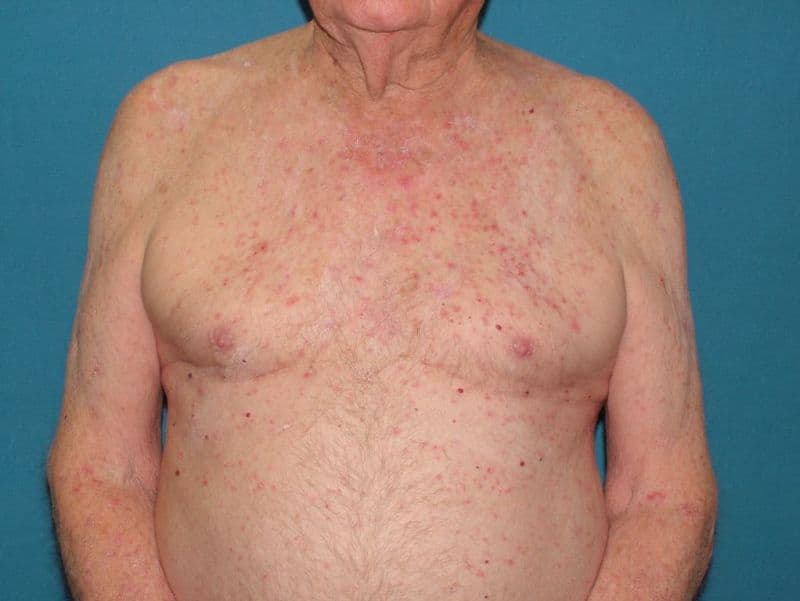
Heat rash, also called prickly heat, causes small spots with an itchy or prickling feeling. It often develops after heavy sweating and usually improves within a few days. Keeping the skin cool and wearing loose clothing can help. Seek medical advice if it does not improve or you are worried about a baby's rash. NHS guidance on heat rash.
What is it?
Heat rash often appears on hot, humid days, in enclosed, poorly ventilated spaces, or during intense exercise. Humidity and heat promote excessive sweating, while friction, tight or non-breathable clothing, layers that trap heat and sweat, and thick cosmetic products further hinder sweat evaporation. Heat rash develops when blocked sweat ducts trap sweat in the skin. Some forms cause inflammation.
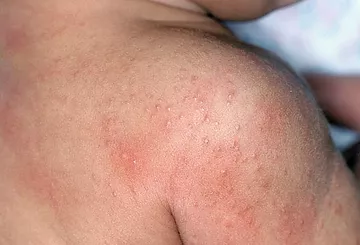
Adults often notice the rash on the neck, chest, back, under the breasts, in the armpits, groin, or areas where skin rubs. Infants frequently experience the rash due to immature sweat ducts and overheating from too much clothing or bedding. Typically, the rash resolves when the skin is cooled, sweating is reduced, and occlusive factors are removed.
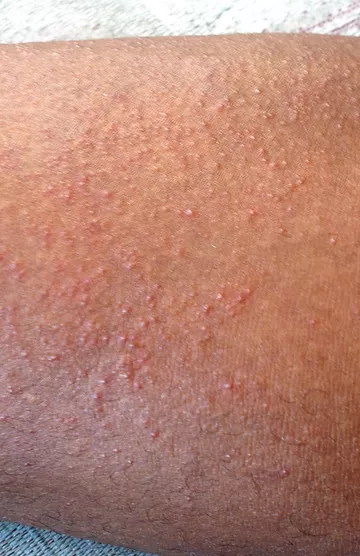
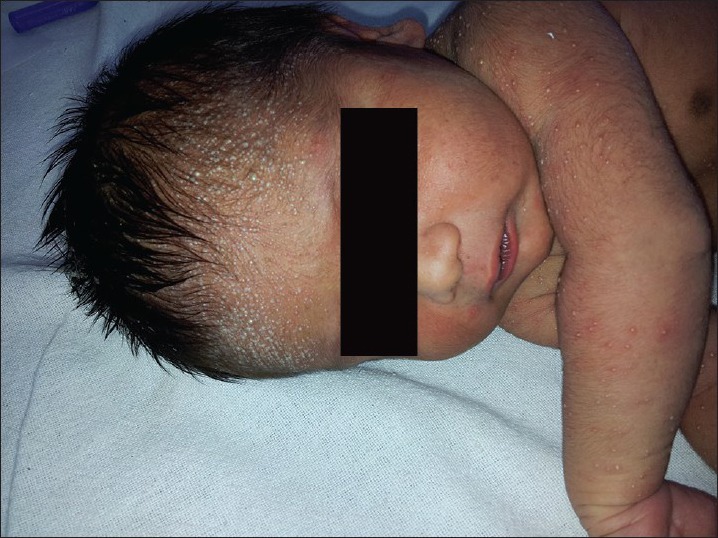
Causes and Risk Factors
The primary mechanism is blockage of sweat ducts and retention of sweat in the skin. This can occur for several reasons:
- Heat and humidity: stifling environment, tropical climate, poorly ventilated spaces, heatwaves.
- Intense physical activity: sports, working in heat, prolonged use of protective gear (e.g., tight clothing, protective equipment).
- Skin occlusion: tight, non-breathable clothing or too many layers, thick, greasy skincare products, covering bandages or dressings.
- Fever or bed rest: conditions that promote sweating, prolonged bed rest.
- Increased sweating: individual predisposition, obesity, certain occupational or environmental factors.
- Age: babies and young children are prone to heat rash because their sweat ducts are still developing.
Symptoms
The appearance and sensations of heat rash depend on the form and depth at which the ducts are blocked:
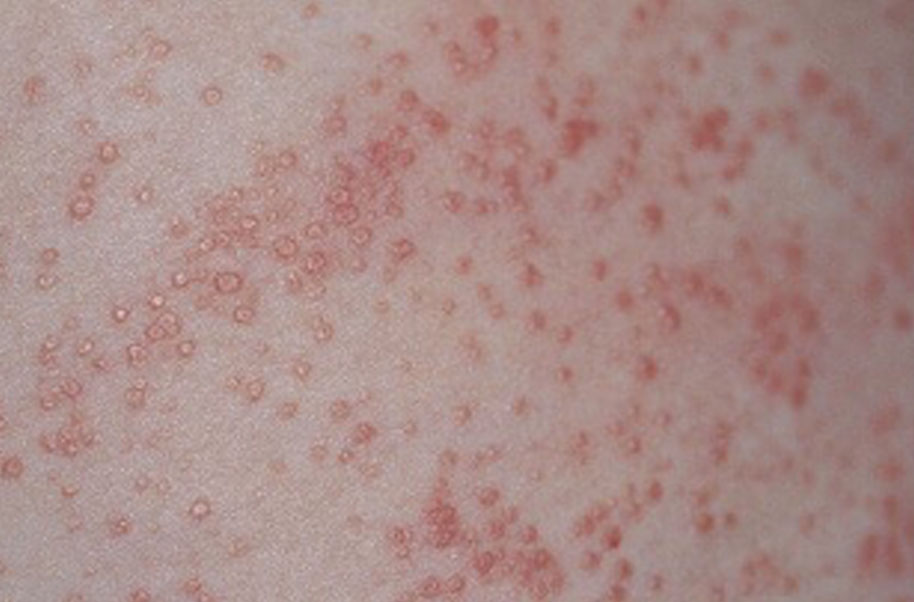
- Superficial form: small, shiny blisters with clear fluid, which may easily rupture; usually found on the head, neck and upper torso. These blisters often cause no discomfort.
- Red form: red, small papules or blisters, with noticeable itching, tingling, or stinging; often found in skin folds (armpits, groin, under breasts), on the back or abdomen.
- Deep form: small, firm, skin-coloured bumps that usually cause no discomfort; this rare form can follow repeated episodes of miliaria rubra.
There may be discomfort when wearing clothes, a sensation of "prickling" or burning, and sweat accumulation in folds can sometimes cause maceration (skin becomes moist, soft, more easily irritated). If infection occurs at the rash site, pain, redness, pustules, or yellowish crusts may develop.
Redness may be less visible on brown or black skin, where the spots can look grey or white.
When to see a doctor
Heat rash usually resolves on its own within a few days when the skin is kept cool and sweating is reduced. However, it is advisable to see a doctor if:
- the rash does not resolve after a few days or frequently recurs;
- there are signs of infection: increasing pain, spreading redness, pus, unpleasant odour, fever;
- the rash spreads, covers large areas, or causes severe itching;
- you are unsure what is causing the rash or suspect an allergic reaction or another skin condition;
- your baby has a rash and you are worried. Contact a doctor urgently if your child has a rash with a fever, particularly if a baby under 3 months has a temperature of 38 °C or higher;
Get emergency medical help immediately if your child has a rash that does not fade when pressed with a glass, is difficult to wake or has difficulty breathing.
Diagnosis
Diagnosis is usually based on the history (when and under what conditions the rash appeared) and clinical examination. The doctor assesses the location of the rash, the appearance of the spots, duration, and triggering factors (heat, physical activity, clothing, skincare products). Additional tests are generally not required.
The doctor may need to distinguish heat rash from fungal skin infections, folliculitis, allergic or contact dermatitis, urticaria, scabies, or other rashes. If secondary infection is suspected, the doctor may evaluate whether additional tests and targeted treatment are necessary.
For a persistent rash without urgent symptoms, an online dermatologist consultation can help decide on care. An uncertain diagnosis or possible infection may require an examination in person.
Treatment
The main and most effective treatment is to eliminate or reduce factors that promote sweating and occlusion. This is usually sufficient for the rash to subside. Here are practical steps:
- Cool the skin: choose a cool, well-ventilated environment; use a fan or air conditioning if necessary; stay in the shade.
- Avoid overheating: take breaks during physical activity, plan exercise in the morning or evening, drink enough fluids to avoid dehydration.
- Cool compresses: applying a cool, damp compress for a few minutes can reduce itching and stinging. Gently dry the skin after the compress.
- Gentle washing: gently wash away sweat with cool water and, if needed, a mild, fragrance-free cleanser. Avoid harsh scrubbing.
- Light moisturisers: if the skin is dry or tingling, choose lightweight, non-occlusive products that do not form a thick, air-blocking film.
- Clothing: wear loose, breathable, natural or moisture-wicking fabrics. Do not wear damp clothes – change them as soon as they become wet.
- Protection from friction: try to reduce friction in skin folds (e.g., dry the skin, choose breathable underwear, avoid tight seams).
A pharmacist can advise on treatment for troublesome itching. A doctor may prescribe treatment if the rash is inflamed or has a secondary bacterial infection. Avoid products that irritate the skin.
Do not scratch the spots – this increases the risk of skin damage and infection.
ARTICLE_GIF
Care and Prevention
These measures can help prevent heat rash:
- Temperature and humidity: maintain a comfortable indoor temperature, use ventilation or air conditioning; sleep with light bedding.
- Clothing: choose lightweight, breathable fabrics (e.g., cotton or moisture-wicking technical fabrics); avoid prolonged skin occlusion.
- Skin hygiene: regularly wash after sweating, but avoid hot water and intense scrubbing; gently dry the skin after washing.
- Skincare products: use lightweight, non-occlusive skincare products; avoid thick, greasy products that trap heat and sweat.
- Breaks during physical activity: take short breaks, dry off sweat, change soaked clothes.
- Infant and child care: do not overdress, regularly change nappies, maintain a cooler room temperature, choose soft, breathable fabrics. If your child has a rash and a fever, contact a doctor urgently.
If heat rash keeps returning, ask your GP or dermatologist about possible triggers.