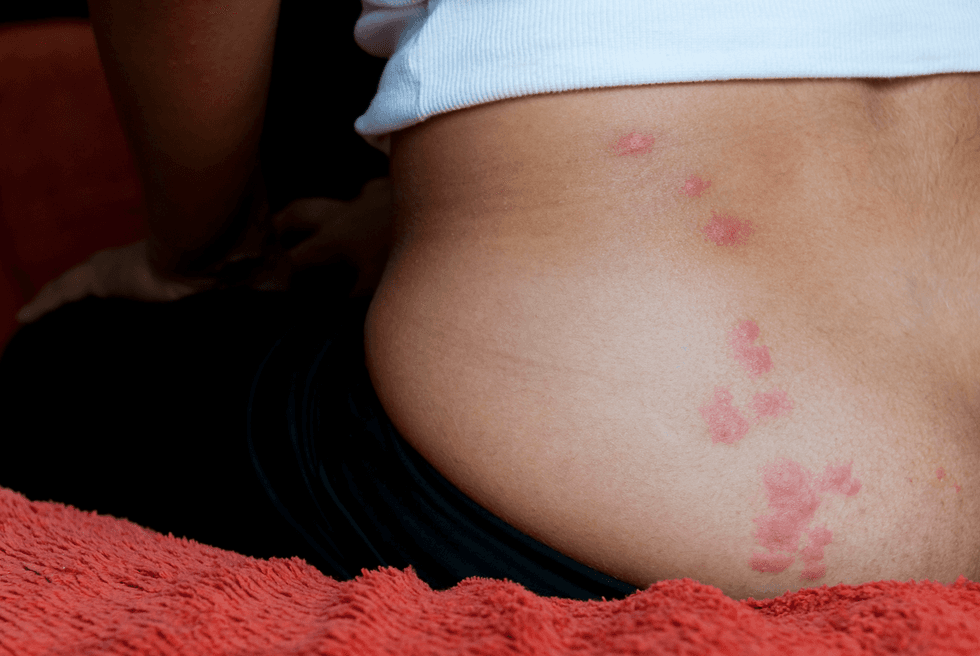
Insect bites and stings often cause an itchy or painful swelling. Most improve within a few hours or days, but a worsening reaction may need medical attention. Get emergency medical help immediately if you have difficulty breathing or sudden swelling of your tongue or throat. HSE overview and warning signs.
What is it?
Mosquitoes, fleas, bedbugs and biting midges bite to feed on blood. Bees, wasps and hornets can sting by injecting venom. Bites and stings can cause itching, swelling, redness and pain around the affected area.
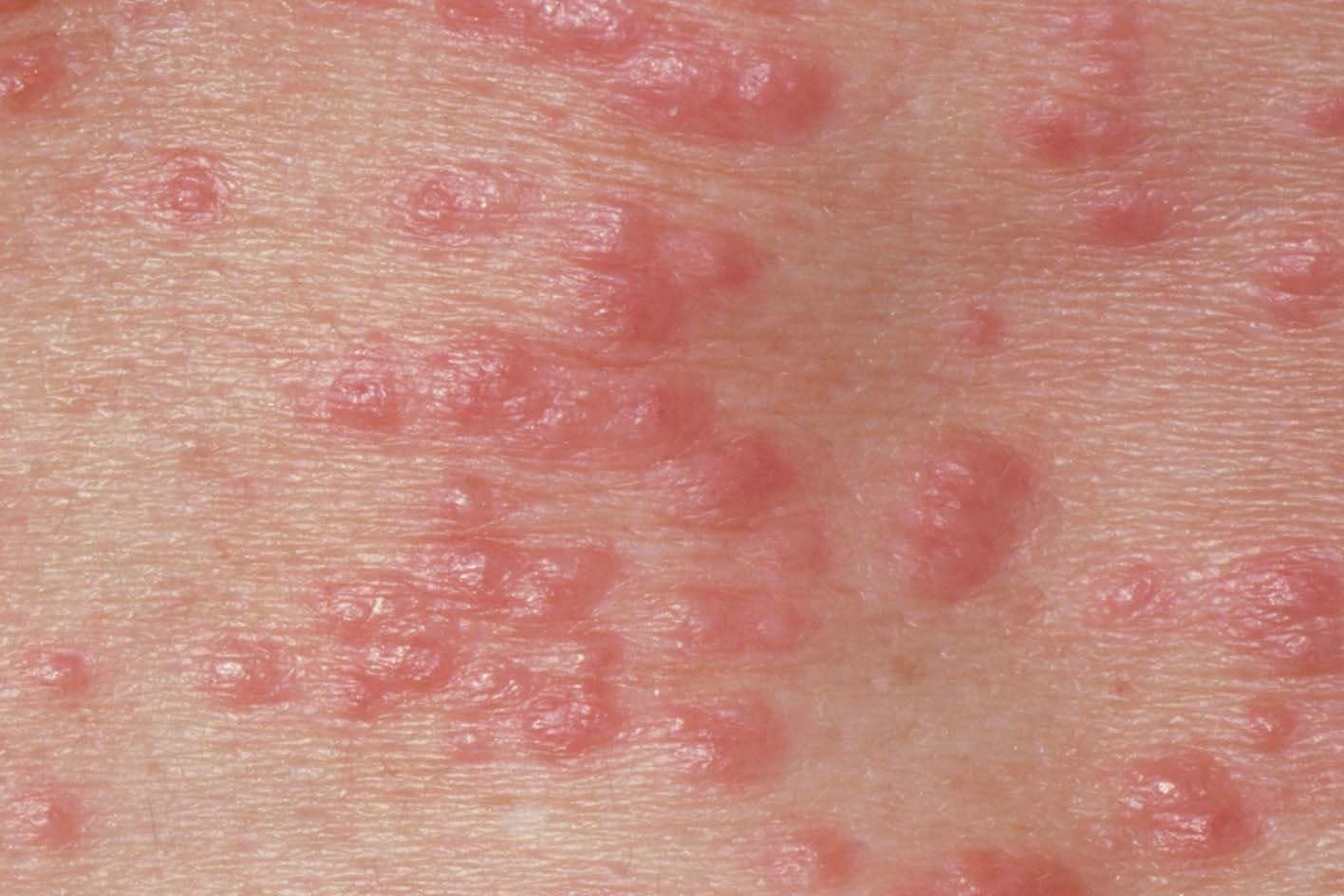
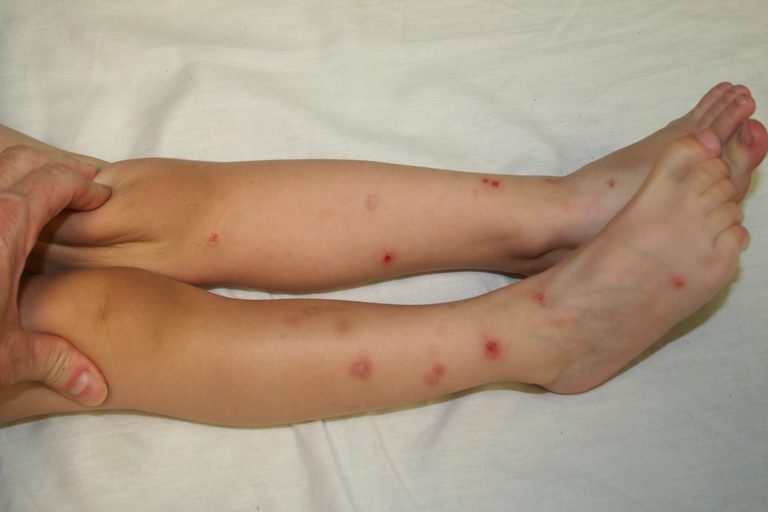
The intensity of the reaction depends on many factors: the insect itself, the substances injected, individual sensitivity, previous bites or stings, and the location of the bite. Children can develop papular urticaria: recurrent crops of itchy bumps caused by a reaction to insect bites. Individual bumps may last for days or weeks.
Insects that can cause skin reactions include mosquitoes, gnats, horseflies, fleas, bedbugs, as well as bees, wasps, and hornets (stings). Less commonly, ants, sandflies, or tropical insects encountered during travel cause problems.
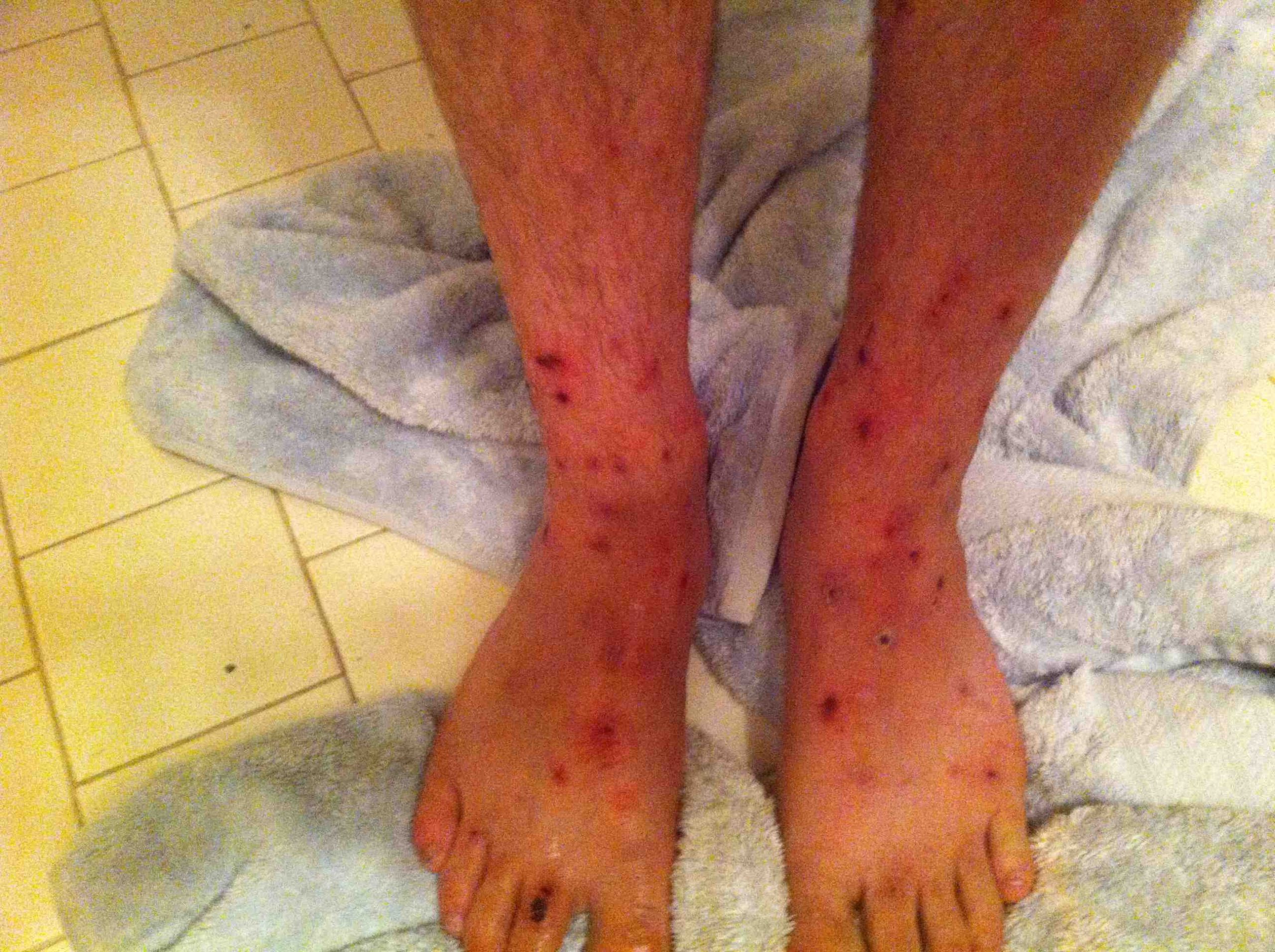
Causes and Risk Factors
The likelihood of insect bites increases with:
- Being outdoors, especially near bodies of water, damp areas, or forest edges.
- Activity at dawn and dusk when mosquitoes are most active.
- Dark, tight clothing, exposed body parts, strong scents (perfumes, fragrant cosmetics).
- Pet fur, if it contains fleas or other parasites.
- Staying in accommodation with bedbugs or bringing them home in luggage or used furniture. Bedbugs are not a sign of poor personal hygiene.
Symptoms
These patterns can offer clues, but a skin mark alone cannot reliably identify which insect caused it:
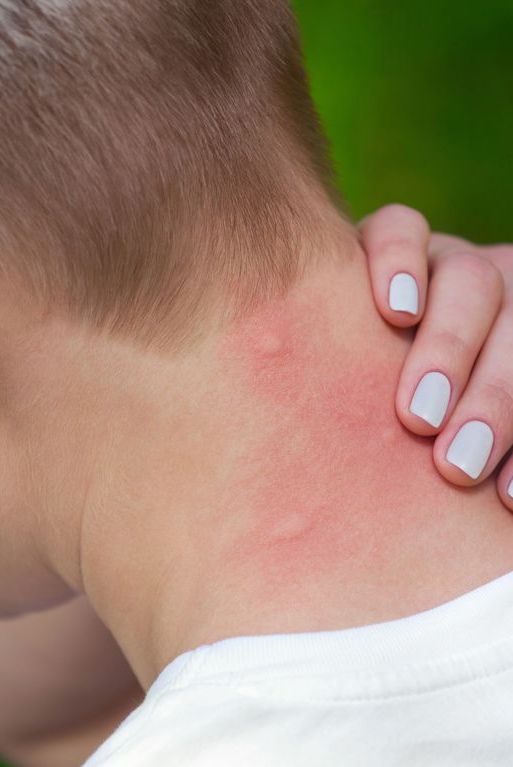
- Mosquito bites: Quickly appearing, round, itchy red bumps on exposed body parts (arms, legs). Some people have larger swollen plaques.
- Gnat bites: Severe itching, pronounced redness, sometimes hard swelling. Itching can last several days.
- Horseflies: Larger, painful bites with extensive swelling, often sensitive to touch.
- Fleas: Small red papules, often in clusters or lines, usually around the ankles, shins, or waist. Very itchy.
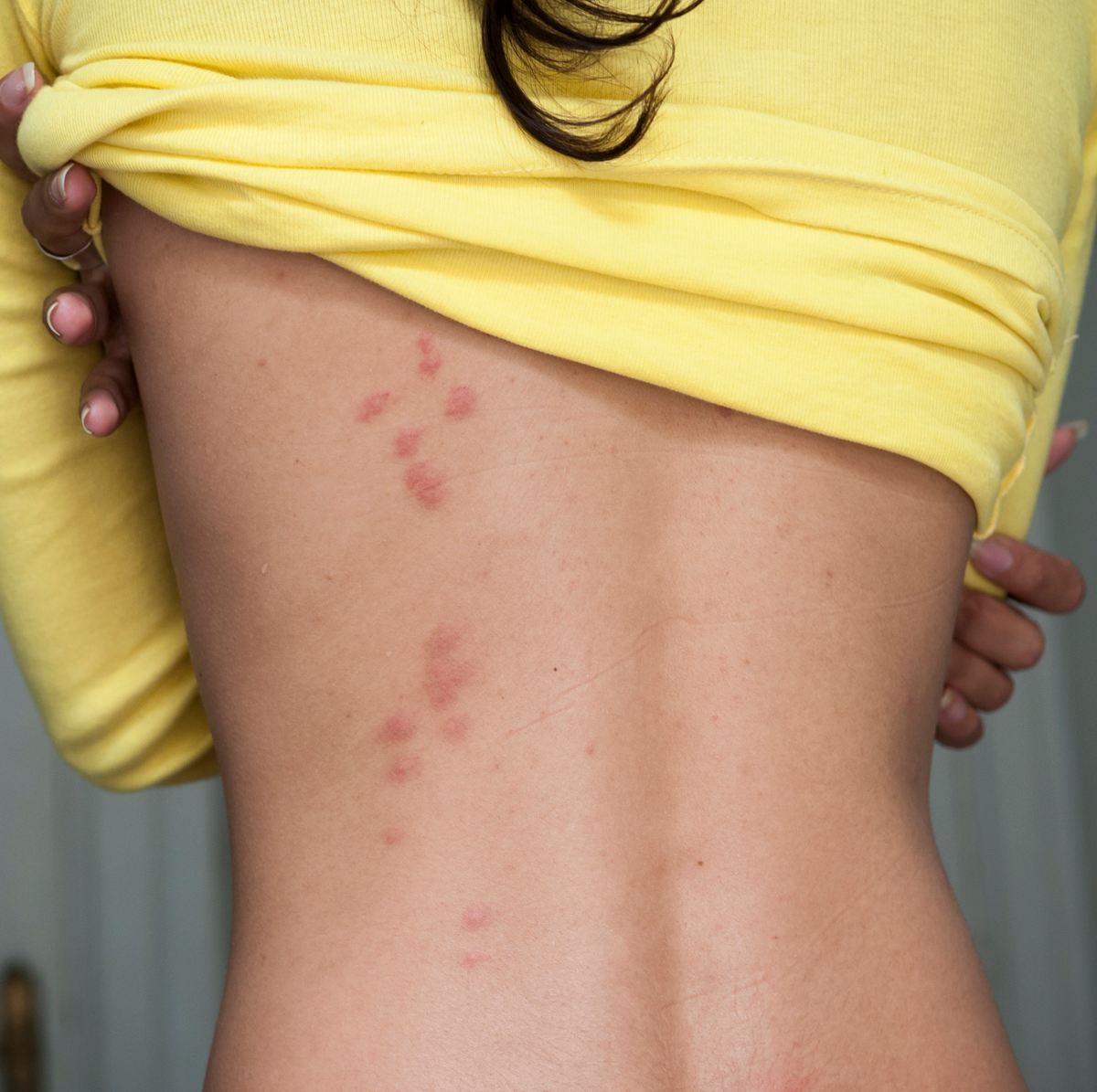
- Bedbugs: Itchy marks may appear in clusters, lines or a scattered pattern, often on skin exposed during sleep. Marks may take several days to appear, and some people have no visible reaction.
- Bees, wasps, hornets (stings): Sudden pain, redness, hardening, and swelling around the sting site. A white spot may form in the centre.
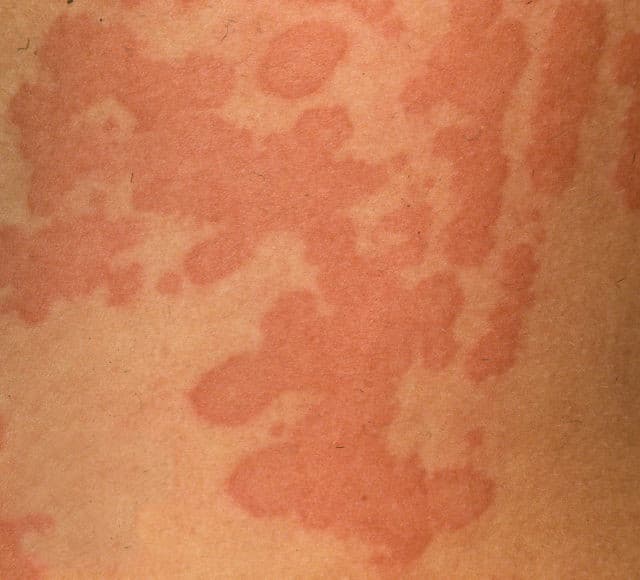
Itching can disturb sleep. Widespread hives may indicate an allergic reaction. Get emergency medical help immediately if you develop difficulty breathing, sudden swelling of the face, lips, tongue or throat, or feel faint.
When to seek medical help
Most bites improve within a few days, although some reactions last longer. Seek medical help in the following situations:
- Get emergency medical help immediately for difficulty breathing, sudden swelling of the tongue or throat, fainting or collapse. Do not wait for a routine consultation.
- Very large, progressive swelling (especially around the eyes), severe pain, or heat at the bite site.
- Signs of infection: throbbing pain, spreading redness, pus, fever, swollen glands.
- Ask for urgent medical advice if you have been stung more than once, or bitten or stung in the mouth or throat or near an eye.
- Ask for urgent medical advice if symptoms are getting worse or have not started improving after a few days. If new bites keep appearing, check for fleas or bedbugs.
- Seek medical advice if a baby has a significant reaction, or if you have a weakened immune system and the bite is worsening.
Diagnosis
The diagnosis is usually made clinically – based on the appearance, location, and distribution of the rash, the onset of symptoms, and possible contact with insects. The doctor may ask where you spent your time (time outdoors, travel, new accommodation), if there are pets, if symptoms worsen in the morning or evening, or if there are spots on the bedding (signs of bedbugs).
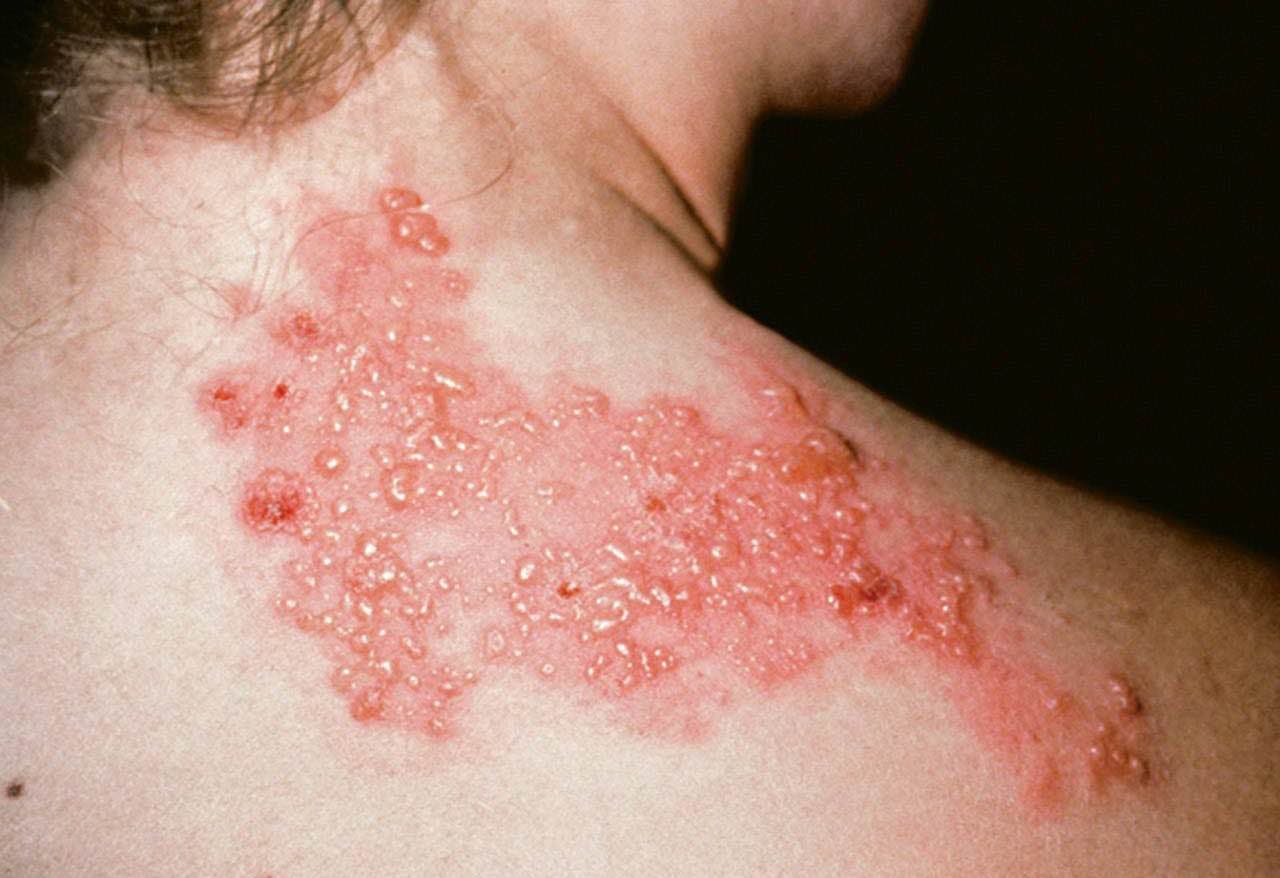
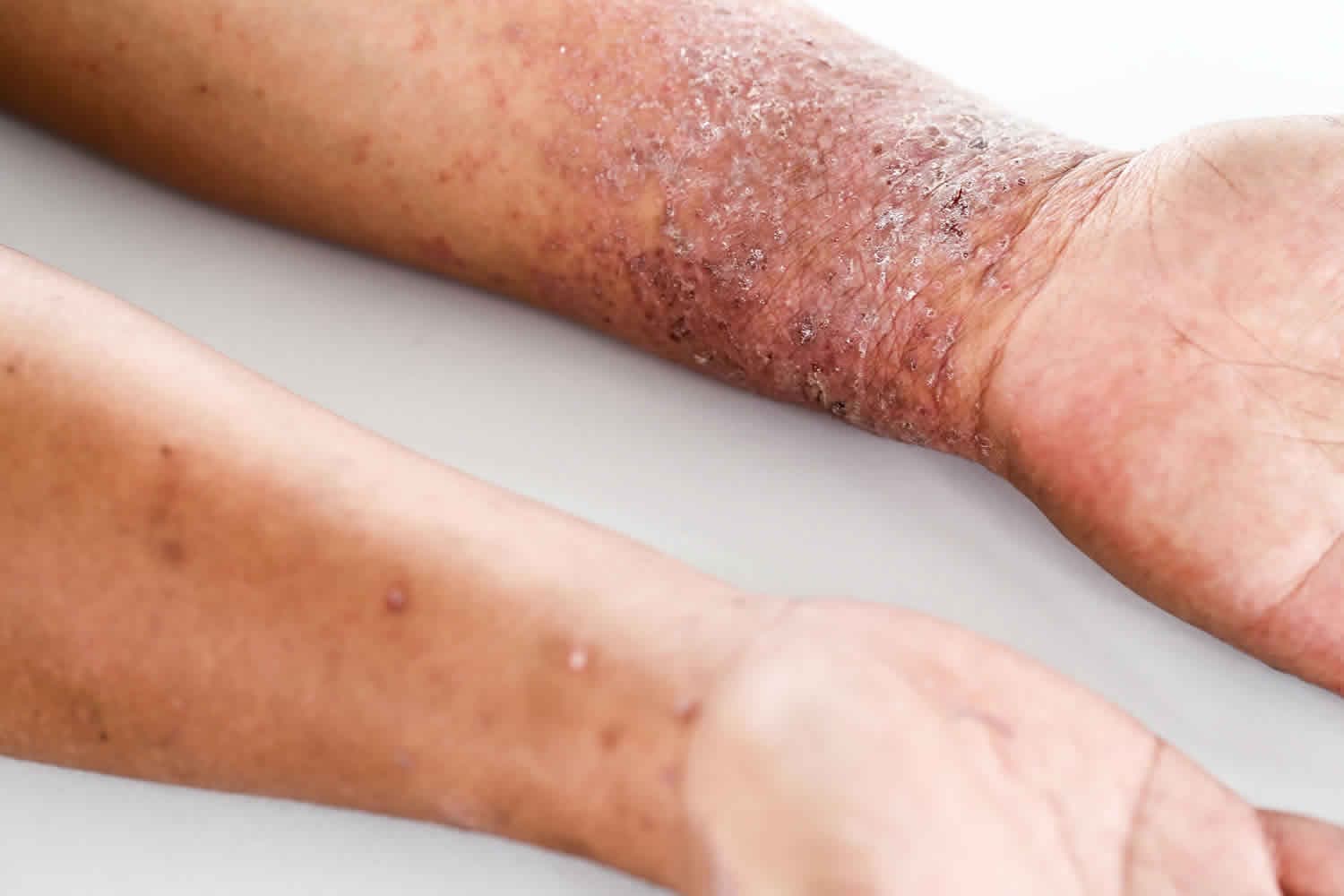
The clinician may consider other causes of the rash, such as scabies, contact dermatitis, folliculitis, hives or a viral rash. Further tests depend on the symptoms and examination findings.
If symptoms persist or recur without emergency signs, an online dermatologist consultation can help assess the rash. Photos and a description of possible exposure may help, but cannot always identify the insect. Spreading redness, pus or fever needs prompt medical assessment.
Treatment
Treatment aims to ease itching, pain and swelling and reduce the risk of infection.
- First aid steps:
- If it is a sting, safely leave the dangerous area. If a bee stinger is visible, gently remove it by scraping with a blunt edge (do not squeeze).
- Wash the bite site with cool water and a mild cleanser, gently pat dry.
- Apply a cold compress for 10–15 minutes several times a day, especially on the first day.
- Elevating the injured limb above heart level helps reduce swelling.
- Itch and pain control:
- Avoid scratching – this reduces the risk of infection and scarring. Keep nails short. Cotton gloves at night may help children avoid scratching.
- A cold compress can help. Ask a pharmacist about suitable treatments for itching or pain, such as antihistamines, anti-inflammatory creams or pain relief.
- Skin barrier protection:
- Apply gentle moisturisers daily, especially if the skin tends to dry out or you have atopic dermatitis.
- Cover the lesion with a clean bandage if prone to scratching or if clothing rubs the area.
- Signs of infection:
- If there is pus, spreading redness, fever, or increasing pain, medical examination is necessary. The doctor will assess whether additional treatment and site care are needed.
- Recurrent or prolonged reactions:
- If large local reactions keep recurring, a GP or dermatologist can advise on treatment and prevention.
Care and Prevention
Good prevention habits can significantly reduce the number of bites and the discomfort they cause:
- Clothing and behaviour: Outdoors, choose long-sleeved, light-coloured, looser clothing, closed footwear. Replace strongly scented products with unscented ones. Avoid being near water bodies at dawn and dusk when mosquitoes are most active.
- Repellents: Use insect-repelling products before going outdoors, following the manufacturer's recommendations (especially important for children and pregnant women – choose suitable products and apply only to exposed skin areas).
- Physical barriers: Mosquito nets, window and door screens, fans in the bedroom, mosquito nets over the cot during travel.
- Environment: Remove standing water (watering cans, buckets, trays under plants), keep garden vegetation trimmed. Use lighting in the evening that attracts fewer insects indoors.
- Fleas and bedbugs at home: Regularly vacuum carpets, especially skirting board and furniture seam areas, wash bedding and clothes at higher temperatures. Check mattress seams, bed frames for signs of bedbugs. In case of infestation, contact pest control specialists.
- Pets: Regularly check pet fur, follow your vet’s advice on parasite protection and sleeping area hygiene.
- Travel: Choose accommodations with nets, check the bed and mattress, sleep in mosquito-protected beds, especially in the tropics.
What about tick bites?
Ticks are not insects. If you develop an expanding rash or feel unwell after a tick bite, seek medical advice. Read more about Lyme disease.